Hi, I'm Tim.
I teach meditation in Berlin.
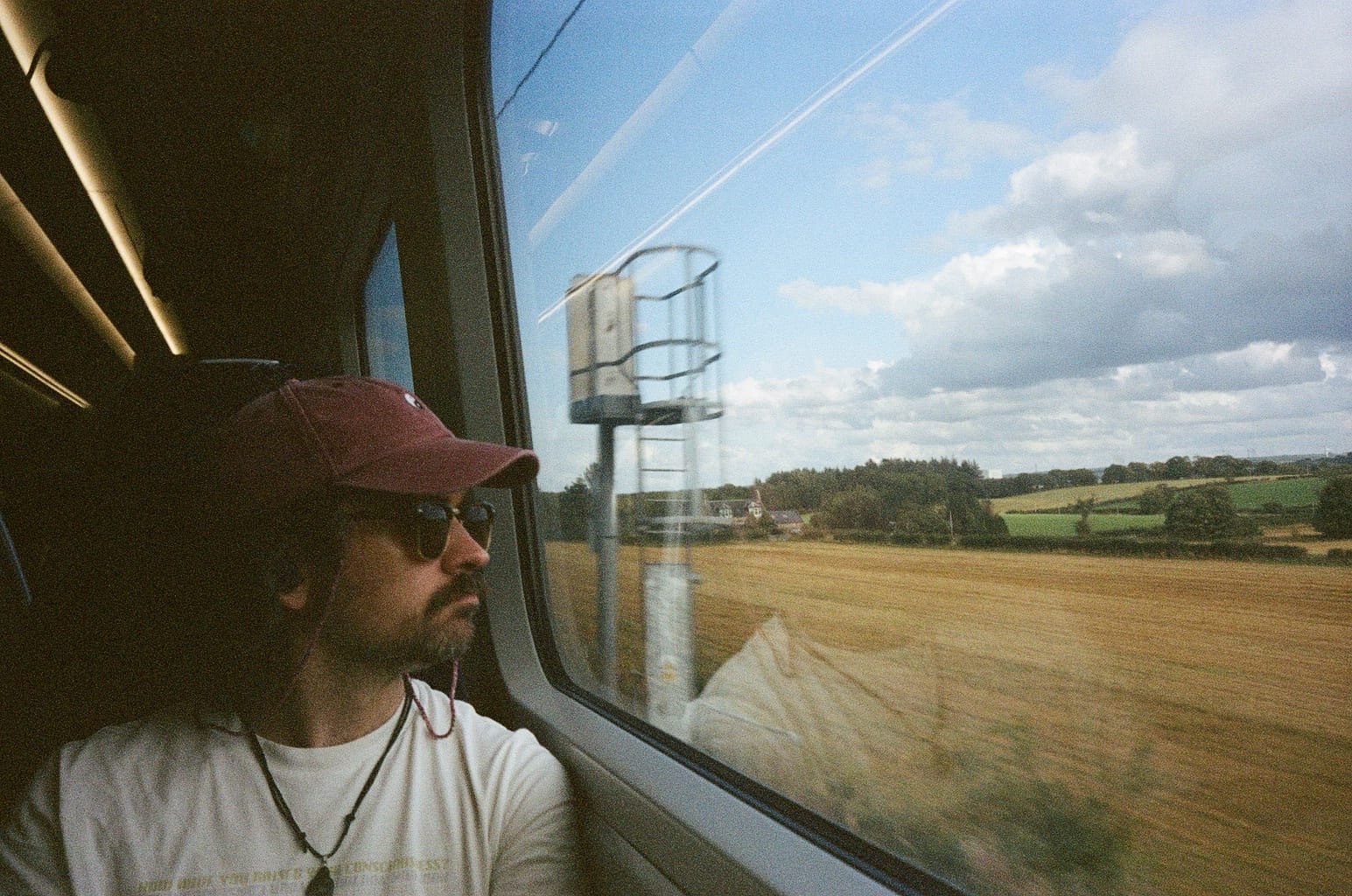
I was always curious about spirituality as a youth. Raised Catholic, I grew up wanting to know how true it all was. I was never quite sure how much. At some point I had a few experiences I didn't have words for.
At a festival once, up late, I walked past a statue of the Buddha and had the sense that he had understood something about consciousness all those years ago. Some truth that felt completely real in that moment, that was usually just out of reach. A mystery waiting to be unlocked. A magic in the world. A lot of teachers in the West describe something similar: a glimpse, early on, of consciousness being stranger and more open than we assume.
Headspace got me sitting more consistently in my mid-twenties. Then I found Jack Kornfield's writing and teaching, which opened the door to Buddhism. It felt so familiar to those earlier experiences. The ones that always seemed so real in the moment, then afterwards left me with a mournful sense of: was this real? Around four years ago I joined the Mindfulness Meditation Teacher Certification Program with Kornfield and Tara Brach. My mentor in the program was James Baraz. James was a real inspiration to me. So down to earth and without airs, but so thoughtful and spacious.
I sat my first satipaṭṭhāna retreat with Bob Stahl, as preparation for the program, and loved it enough to keep going back. At some point it reminded me of those earlier experiences, the sense of touching a version of myself that was so open and compassionate. It was a really hopeful moment, to realize that wasn't some fleeting, altered me. That was me. That was me without all of the regular baggage we carry around all the time. I've done a few other retreats in that style since, including with Vivekananda from Panditarama at Pian dei Ciliegi in Italy. It was in that retreat I had my biggest breakthrough on the path. I had the realization that liberation was possible. That the only thing preventing me from being free was my identification with my suffering. My anxiety, my trauma, my difficulties. It was like a logic problem: those were the only things in the way. There's the common credo for beginning meditators: "You are not your thoughts." In that moment I realized if that was true, then it must be possible to leave them behind and to be free. But then if I am not my thoughts, my anxiety, my trauma, who am I? What else must I leave behind to be free?
Now
Over the last year my practice has moved toward jhana. The concentration states the Buddha called Right Concentration. They were essentially left out of how meditation gets taught in the West. The teachers who taught in the West mostly came up in traditions that left it out, or made it seem impossible. I tried it for a few weeks after learning about it but gave up quickly.
I spoke with a jhana teacher and realized that I had actually been going the right direction. I just needed to keep going. That gave me the push to try sitting every day for 1-2 hours. In about two weeks I hit the first jhana and realized exactly how distinct these states were. And how feasible it is for a meditator to reach them. At the end of the day meditation is good for you, your life, your relationships, your health. You don't need to be enlightened to get a benefit. You just need to sit. If sitting becomes pleasurable, if it becomes play instead of some droll medicine you have to take, then you continue.
Writing
I write at Modern Buddhism, a Substack I've kept for a couple of years. I try to talk about the intersection of Buddhist ideas and the modern world. It's out there, it's speculative, it's talking less about how to meditate and more about my personal philosophy on things.